
Va.Si.Li-Lab as a collaborative multi-user annotation tool in virtual reality and its potential fields of application
Authors: Giuseppe Abrami, Alexander Mehler, Mevlüt Bagci, Patrick Schrottenbacher, Alexander Henlein, Christian Spiekermann, Juliane Engel, Jakob Schreiber
Published in: HT '23: 34th ACM Conference on Hypertext and Social Media · DOI: 10.1145/3603163.3609076 · License: © Copyright held by the owner/author(s).
Va.Si.Li-Lab as a collaborative multi-user annotation tool in
virtual reality and its potential fields of application
Va.Si.Li-Lab as a collaborative multi-user annotation tool in
virtual reality and its potential fields of application
Giuseppe Abrami∗
abrami@em.uni-frankfurt.de
Goethe-University Frankfurt Frankfurt am Main, Germany
Alexander Mehler∗
mehler@em.uni-frankfurt.de
Goethe-University Frankfurt Frankfurt am Main, Germany
Mevlüt Bagci bagci@em.uni-frankfurt.de Goethe-University Frankfurt Frankfurt am Main, Germany
Patrick Schrottenbacher s0127943@stud.uni-frankfurt.de
Goethe-University Frankfurt Frankfurt am Main, Germany
Alexander Henlein henlein@em.uni-frankfurt.de
Goethe-University Frankfurt Frankfurt am Main, Germany
Christian Spiekermann
chrisspi94@gmail.com Goethe-University Frankfurt Frankfurt am Main, Germany
Juliane Engel j.engel@em.uni-frankfurt.de Goethe-University Frankfurt Frankfurt am Main, Germany
Jakob Schreiber jak.schreiber@em.uni-frankfurt.de
Goethe-University Frankfurt Frankfurt am Main, Germany
Abstract
During the last thirty years a variety of hypertext approaches and virtual environments – some virtual hypertext environments – have been developed and discussed. Although the development of virtual and augmented reality technologies is rapid and improving, and many technologies can be used at affordable conditions, their usabil-ity for hypertext systems has not yet been explored. At the same time, even for virtual three-dimensional virtual and augmented environments, there is no generally accepted concept that is similar or nearly as elegant as hypertext. This gap will have to be filled in the next years and a good concept should be developed; in this article we aim to contribute in this direction and also introduce a prototype for a possible implementation of criteria for virtual hypertext simulations.
Ccs Concepts
• Information systems →Collaborative and social computing systems and tools; Multimedia information systems.
Keywords
virtual reality, virtual hypertext, authoring system, virtual reality simulation
Acm Reference Format:
Giuseppe Abrami, Alexander Mehler, Mevlüt Bagci, Patrick Schrotten-bacher, Alexander Henlein, Christian Spiekermann, Juliane Engel, and Jakob Schreiber. 2023. Va.Si.Li-Lab as a collaborative multi-user annotation tool in
∗Both authors contributed equally to this research.
virtual reality and its potential fields of application. In 34th ACM Conference on Hypertext and Social Media (HT ’23), September 4–8, 2023, Rome, Italy. ACM, New York, NY, USA, 9 pages. https://doi.org/10.1145/3603163.3609076
1 Introduction
Software for interpreting, visualizing, using and authoring of hy-pertext is probably one of the most frequently used applications within any information system. However, this is independent of the application scenario, whether in a private [40] professional [28] or academic [59] environment. In addition, [30, 63] provides a broad overview on this topic. Besides, various hypertext concepts have been presented, introduced, and prototyped over the last thirty years. In this context, the approaches of spatial [47], taxonomic [39], and sculptural hypertext [24] are particularly important develop-ments. These individual concepts, with the extensions mentioned, encapsulate the basic concept of hypertext, the visualization of nodes, the relation of nodes represented by edges, the visualization of information within nodes, and the linking of these nodes [11]. This simple and still complex as well as elegant and world-changing concept of hypertext has started a victory journey, which cannot be missed today. Moreover, there is also a modern possibility of annotating information units within hypertext systems [1]. These information units can adopt a manifold appearance in virtual en-vironments and range from texts, text segments, images, image segments, video and audio representations as well as their segments via web pages in a browser all the way to individual 3D objects or more complex constructs, such as virtual agents or assistance systems, among others.
However, as with any concept that has been around for a long time, it is important to think about whether the concept is still appropriate when increasingly recent technological advances are considered. Within this context, the current development in the virtual and augmented reality field can be especially considered. As we look into the literature, we quickly realize that there are not too many virtual reality (VR) – (e.g. [35]) and even fewer augmented reality (AR) applications (e.g. [51, 58]) that explicitly implement any of the hypertext concepts mentioned before (c.f. [33]).
In this paper we aim to apply the ongoing development, in par-ticular in the field of VR, as an opportunity to identify criteria for the appropriate use of hypertext systems as virtual simulations (Section 2). After this identification, we classify already existing VR tools into these criteria and enable a comparability (Section 3). Afterwards, we present our Va.Si.Li-Lab-approach1 [34] for imple-menting hypertext in VR environments (Section 4) and exemplify possible application scenarios in Section 5. Afterwards, we provide an outlook on future extensions and conclude with a summary (Section 6).
2 Virtual Reality Environment As Hypertext Simulation
Virtual reality environments are as flexible as they are versatile in terms of design, implementation and interaction possibilities. Not only in the area of games (e.g. [13, 31]), training and teaching (e.g. [18, 60]) or simulation-based learning (e.g. [34]) virtual reality applications are of great importance. Regardless of the different application fields, a VR environment needs a number of features to make different aspects of hypertext representable, editable and usable. These features are not exhaustive and certainly not all ap-plications, in view of their application focus, require a complete implementation of all the following criteria:
A) Platform independence
There are different ways of interacting with virtual environ-ments, which rank on the immersion scale between mixed and virtual reality on the one hand and all the way to pure browser interaction on the other. In order to setup and offer different learning scenarios, a large variety of access and interaction channels are required. In addition, it is important that directed as well as undirected interactions are supported.
B) Scenario editing feature
In order to be able to map different situations, it is important that scenarios can be designed flexibly and dynamically. This implies the creation of scenario and participation parame-ters, the construction of a sequence of possible situations, the composition of the periphery, the appearance of the envi-ronment, the inclusion of objects, and the implementation of action spaces for the execution of events. Furthermore, the integration of multimodal media should be possible, which includes the use of audio, video and animations.
C) Multimodal data model
Since the process of running simulations can involve a vari-ety of goals, it is important to be able to collect, store, and reuse a wide variety of data as it is generated. In order to enable this, a database-supported data model is required, which can optimally dynamically accommodate and map different recorded data sets. This includes, in particular, the recording of speech, movement and interaction data as well as the observation of eye positions and body postures.
D) Avatar design
To ensure the utmost realistic, individual, and most impor-tantly, distinguishable participant contribution, the design,
1Va.Si.Li-Lab: VR-Lab for Simulation-based Learning
modification, and reuse of avatar appearance is required. As a result, each active user in a virtual environment can appear with a virtual counterpart to interact with other users as well as with content.
E) Multi-user and multi-mode feature
In a simulation, the ability to interact with multiple per-sons using the virtual environments simultaneously is of paramount significance. In order to use the simulation in a well targeted approach, it is also necessary to be capable of assigning the individual persons with roles adapted to the scenario, which is admittedly optional.
F) Mutual interaction features
Regardless of whether a simulation is performed with one participant or several, the ability for users to interact with each other and with objects should be provided. This includes the interaction capabilities of audio-visual communication with each other, the usage of gestures, the ability to use and move objects, as well as the modification of the environment, if the scenario parameters enable this.
G) Quantitative evaluation
All information acquired in a simulation regarding move-ment, spoken speech, interaction with objects, as well as other information depending on the scenario, needs to be stored in a structured way, assigned to the scenario and the users. Moreover, this also includes the reconstruction, the composition as well as the post-processing and the export of the gathered information in order to provide it for further analysis.
H) Qualitative evaluation
Not all results can be determined quantitatively and include many situational components, which are not or only with some effort possible in a retrospective evaluation. In order to evaluate the simulation qualitatively, it is necessary to pro-vide the possibility of a real-time observation by a third user, which – even without direct interaction with the simulation – can be monitored.
I) Visualize, browse, and interact with content-information
Regardless of the application and the parameters of usage, it is essential that information such as text, images, videos, etc. are presented in a meaningful, usable and clear manner, to avoid “problems with hypertext [...] of disorientation while navigation the information space.” [37, p. 298] These include the possibility of filtering, the limitation of too much information, the possibility of pagination to visualize further information as well as an intuitive interaction feature. The interaction includes, in addition to a selection feature, the possibility of entering data as well as the composition of new or existing elements.
J) Individualization of object and environment parame-ters A virtual environment becomes like a working desk, filled with applications, with personal settings for fonts, font sizes, colors, and frequently used features and functions. Beyond
that, however, it is equally important to be able to design and modify one’s own appearance, namely the virtual avatar.
K) Privacy, data protection, restrictions and access per-missions Related to the ability to visualize and provide information, there is inevitably the need to be able to define constraints on which information is available to which users, and which can also be modified. For this purpose, functions for the valid display of content are just as essential as the guarantee of data protection and the existence of an access control system.
L) Automatic environment shaping through Active Learn-ing In times of ChatGPT and active learning [49], it is evident for a virtual environment, in which every user operates, to be automatically adapted and reshaped by the user’s interac-tions and activities, so that the functions and applications can be used in an optimized and personalized manner.
While this list is certainly not exhaustive, it does allow for a first, more systematic evaluation of existing applications that strive to, or at least imply to, integrate the notions of hypertext and VR. This will be done in the following section.
3 Related Work
Since there are various forms of visualization [3] and applications in the field of VR [5, 46], we focus on applications that have at least a fully-immersive component. For this reason, tools such as SecondLife2, OpenSimulator3, as well as tools such as VEMA (Virtual Eletrical MAnual) [57], which are only available as desktop virtual reality, are not included. In addition, the tools we are comparing are mostly in the context of STEM (Science, Technology, Engineering, and Mathematics) [43], since there are a lot of fully-immersive VR applications in this context. Furthermore, for the purpose of a homogeneous comparison, we selected tools from this area.
All the following tools will be described in a basic sense and their implementation of the criteria mentioned in Section 2 will be indicated whether they have been fully implemented, partially implemented or not implemented, which will also be summarized in Table 1. In general, we show that the tools studied here do not satisfy the features J–L.
In the first tool that we consider, pupils are educated about the hardware structure of computers [14]. Here, within a virtual environment, Bill’s Computer Workshop is mapped to experience an understanding of hardware interactions. Bill’s Computer Workshop tends to be able to run on multiple platforms (A), but it does not appear to have a scenario editor (B) or a multimodal data model (C). Regarding the avatar creation, no statement can be given, as the project is not available (D), although a multi-user capability (E) is not described. In addition, however, interaction with the virtual environment is possible (F) along with information, but in a limited form (I), as well as quantitative and qualitative evaluation (G, H).
The second system is Maroon [45], which is implemented as an interactive laboratory with an experimental setup in Unity. For
2https://secondlife.com/ 3http://opensimulator.org
this purpose, Maroon has been designed to simulate physical ex-periments. Since Maroon was implemented in Unity, it is basically possible to use it on different platforms (criterion A) and the interac-tion with objects (criterion F) is also guaranteed. However, Maroon lacks of the multi-user feature (criterion E) as well as Avatar de-sign (criterion D). Since no data is recorded (criteria C and G) and the scenarios can only be edited manually (criterion B), in the final analysis only qualitative evaluations (criterion H) can be performed. In addition, since no information can be visualized or interacted with, feature I is not applicable.
A third system is HandLeVR [36], which provides a virtual envi-ronment for training professional skills in vehicle painting in Unity. HandLeVR is only implemented for this scenario and offers several extensible use cases for it. It is only single-user capable (E), no avatars are required (D), but the simulation can be parameterized in the context of the application and can also capture recordings (B, C). This allows a quantitative (G) and qualitative (H) evaluation. Feature I, in turn, can only be fulfilled to a limited extent, since only static information can be presented, but these can be interacted with.
With FLAIM [19] a fully immersive VR learning solution is of-fered for simulation-based learning in hazardous and emergency situations. Since it is a commercial product, there is limited infor-mation that can be provided about the individual properties, but its application is limited for the given scenario.
In addition to listing other commercial tools for emergency re-sponse and firefighting, [9] also introduces its own solution, Immer-sive multi-user firefighter-training scenarios, hencforth denoted by IMUFTS. IMUFTS is a prototype and describes an implementation using multi-user training methods and full-body avatars together with motion-capture-based VR technologies. Since the underlying simulation room must be equipped with cameras, portability is only possible with great effort (A). However, it comprises a data model (C) and uses avatars (D) and provides a multi-user (E) and an interaction option (F). Based on the data model, quantitative (G) evaluation should be equally possible as qualitative (H). However, any scenarios must be created manually just as with other tools (B) and no information (I) is visualized.
In another context, the project of [8] combines the complex ap-plication areas of architecture with VR to provide a tool for crime prevention. This prototype based on immersive learning experi-ence aims to provide a deeper understanding of Crime Prevention Through Environmental Design (CPTED) concepts and to optimize the traditional CPTED-curriculum. As a result of its implementation in Unity, (criterion A is basically fulfilled, but all others not, with the exception of (criterion F – however, this assessment depends on the application design.
Next, Immunology learning VR [65] presents a prototype in the learning context of immunology, also addressing the issue of story-telling and the transfer to everyday circumstances by using virtual environments. Since it is implemented in Unity, there is the pos-sibility of platform independence (A), but the other features are lacking, with only a qualitative evaluation being considered (H). Also in the medical field, the Interactive virtual reality medical sim-ulator (iVRms) is used in [27] to support learning about the topic of retrosomatic musculature starting by showing a video that exem-plifies an operation and afterwards enabling the users to perform
the demonstrated operation. Since it is also implemented in Unity, (criterion A is fulfilled, however, a dynamic scenario editor (B) is not available, although a multimodal data model (C) as well as an iteration option (F) are available. Furthermore, output of avatars (D), multi-user support (E) and information interaction (I) are not available, although this is necessary in the given simulation con-text. However, an evaluation is at least partially possible (G, H). In addition, the prototype of [53] allows students to learn and study together in the context of neuroanatomy (NEURO). Implemented in Unity (A), it does not meet any criteria except for interacting with objects (F) and the evaluation criterion (G, H).
EVE:SME[4] is a multidisciplinary application, which presents a simulation environment in the areas of physics, biology, chemistry, as well as further capabilities of consumption of, e.g., recorded lectures. This Simulation Multiple Environment (SME) meets (crite-rion A because of being developed in Unity. Moreover, there is a multimodal data model (C), an interaction function (F), and a basic way to interact with information (I). Since a database is used, a quantitative evaluation (G) is also possible.
Next, TeachLivE [12] (TLE) enables realistic interactions with believable virtual humans, analyzes verbal and non-verbal interac-tion data its users and helps to implement research-based teaching methods. Besides, the virtual BIM reviewer (VBR) [62] presents an immersive implementation, which allows several participants to work together on engineering tasks in order to train a mutual col-laboration. VBR is also implemented in Unity (A), but does not have a dynamic scene editor (B) and no capability to interact with information (I). However, there is a multimodal data model (C) as well as the possibility to interact and communicate with multiple users (E) and to interact with objects (F). While an avatar cannot be changed, a personalized user image can be placed over the avatar (D) and evaluation possibilities (G, H) also exist. Also operating in the training sector is [10]’s immersive authoring VR tool (IA-VR), which enables users to learn how to maintain machines or construct them. For this purpose, an instructor records movements, which can then be mapped as a choreography and can be repeated by the trainees. IA-VR is also implemented in Unity (A), includes a scenario editor (B) and also meets all other criteria, except for avatar design (D), multi-user scenarios (E), and information interaction (I).
Regarding languaculture learning, [61] present an immersive solution based on a model of the Forbidden City. The application is commercial and has been implemented for the mentioned pur-pose. Therefore, it satisfies few to none of the defined criteria. With the “Interactive Pedestrian Environment Simulator” [41] (IPES) a system is presented, which aims at improving interaction observa-tion and analysis of cognitive abilities in a virtual environment by creating urban environments in which scenarios can be simulated. This tool is again implemented in Unity and thus meets feature A. However, it misses a scenario editor (B), a multimodal data model (C), an avatar designer (D), a multi-user mode (E), and the infor-mation interaction function (I). Nevertheless, interaction (F) and quantitative evaluation capabilities (G) are both given.
Finally, in a space simulation named “Titans of Space” [15] users have the possibility to move freely in the solar system and have a virtual guided tour with information, among others, on the distance to star systems. The aim of the simulation is to find a correct path to a destination [44]. The application is also implemented in Unity (A),
but it lacks the other criteria, while qualitative evaluation options (H) are given.
Table 1 gives an overview of the comparative analysis of the tools considered so far. It shows that criteria B, C, D, I-L are hardly fulfilled by these systems: editors of virtual scenarios are mostly missed as are data models of multimodal communication (for a for-mal version of such a model in the context of VR see [34]). Avatar design (D) is also a special case as it relates to enabling avatar diversity and self-representation [64], both of which are required in VR systems especially in the area of learning and teaching in social contexts. Criteria I-L could be classified as more technical, but Criterion I, for example, points out that interaction with 3D representations of information units could be an important compo-nent of VR systems – again in the context of learning. This analysis shows that more powerful systems based on VR that incorporate hypertext-relevant concepts such as interaction with information units are still not available. We now show that the recently de-veloped system Va.Si.Li-Lab [34] fills this gap with respect to the majority of these criteria and can therefore be used as a starting point for exploring and developing the notion of hypertext in the context of the metaverse.
4 Va.Si.Li-Lab
Many tools meet few to none of the criteria listed in Section 2. To close this gap, we start from Va.Si.Li-Lab, as a prototype for the use of hypertexts in 3D virtual environments based on collaborative interaction with both hypertexts and agents. In addition, up to now, annotation software has focused on storing and managing the results of annotation processes, but not on the data of these processes themselves. Va.Si.Li-Lab is being developed as a system that incorporates VAnnotatoR [33] and therefore allows both the annotation results and the annotation process data relevant to the creation of that data to be collected and managed. In this way, it becomes possible to reconstruct annotation processes starting from annotation results, namely with regard to the processes of their creation. The annotation process as a whole thus becomes comprehensible as a virtual, reconstructable hypertext process.
Va.Si.Li-Lab combines two areas, annotation and visualization of information entities such as texts, images and their relations, as well as interaction with these entities (e.g. portals, navigation, preview mode) and recording of all user actions such as their movements and object interactions. The first is ensured by the integration of the VAnnotatoR and enables the visualization of texts, images and other content (virtual browser) as well as the possibility to sort and group objects (virtual boxes), which has already been presented in previous works [32]. Through the reuse of existing work, we reduce a re-implementation overhead while being able to focus on the second aspect: the collaborative use of virtual environments and the annotation of actions, movements as well as object inter-actions. In a previous implementation of VAnnotatoR [1], the possibility of collaborative and simultaneous annotation of multi-modal information units was already enabled by outsourcing this using TextAnnotator [2] (see Figure 2). Through this, users of VAnnotatoR– each for himself in his own virtual environment – can perform annotations while TextAnnotator transfers them to
No. Tool / Framework Reference A B C D E F G H I J K L
1 Eve:
Bill’s Computer Workshop [14] 2 Maroon [45] 3 HandLeVR [36] 4 FLAIM [19] 5 IMUFTS [9] 6 EVE: CPTED [8] 7 Immunology learning VR [65] 8 iVRms [27] 9 NEURO [53] 10 EVE:SME [4] 11 VBR [62] 12 IA-VR [10] 13 The Forbidden City [61] 14 IPES [41] 15 Titans of Space [15] 16 Va.Si.Li-Lab [7, 34]
13 1 4 1 3 10 8 1 1 0 0 0 2 2 4 3 1 4 4 14 4 1 1 0 1 13 8 11 12 2 4 1 11 15 15 16 0 0 0 1 0 0 0 0 0 0 0 0 Table 1: Comparing VR-based systems according to the criteria of Sec. 2. Legend: satisfied ((), partially satisfied ((), not satisfied ((), unknown (().
all collaborators, so that they are informed about the state of the annotation.
With Va.Si.Li-Lab, we are now taking a significant step further by enabling the sharing of virtual environments. To achieve this, Va.Si.Li-Lab uses a modified version of Ubiq [20], which serves as the communication layer for interaction between users. As vi-sualized in Figure 1, Ubiq uses a virtual structure of rooms where users can gather. Within these rooms, Ubiq transmits all informa-tion between users in the same room, allowing users to hear, see each other and share objects. Furthermore, (a) all information about spoken language, all movements as well as all object interactions are recorded via Ubiq, transmitted to all users in the same room, so that they are able to speak and collaborate with each other and (b) all mentioned data are stored in a database, anonymous and related to the scene, in order to evaluate them afterwards. Within a room, different scenes can be mapped and configured, and explicit annotations can be created via VAnnotatoR. Rooms and scenes are configured via a database and managed by super users (Admin).
Va.Si.Li-Lab fulfills most of the criteria of Section 2. Through the implementation in Unity, criterion A is fulfilled, which allows a flexible and portable reuse. At the same time, providing a mul-timodal data model (D), the ability to interact (F) with multiple users simultaneously and collaboratively (E) establishes the basis for evaluating implicit annotations in a quantifiable evaluation (G). Although scenarios can be parameterized and managed via the database, they still have to be created manually (criterion B). Fur-thermore, while it is currently possible to use avatars from Ubiq as well as Meta [7], modification is currently only possible to a limited degree (criterion D). In addition, the implementation of the
environment individualization (J) as well as the implementation of data security and access permissions (K) is currently only possible within the use of VAnnotatoR. Finally, the function of automatic adaptation and optimization of the virtual environment, rearrange-ment of objects by means of active learning (L) is currently not implemented.
5 Use Cases
Virtual hypertext simulations using immersive VR technologies offer a variety of application possibilities which can be modeled in different use cases. In the long term, it would be desirable not to develop individual and independent applications that correspond to the multitude of use cases, but instead to design a hypertext frame-work that fulfills the individual requirements, which can be flexibly expanded, and which conceptually withstands technological change. Since there currently is no such application, and Va.Si.Li-Lab can provide as a blueprint and starting point for such an application, we describe the following several use cases, which we have selected be-cause they are directly related to the availability of several criteria defined in Section 2.
Simulation-based learning
Simulation-based learning is a practice in which individuals can learn to accomplish real-world scenarios and tasks from simulated application contexts. Moreover, this type of collaborative learning has become more influential in recent years (c.f. [16, 26, 38, 48, 56]). In this respect, immersive VR technologies can help to implement a suitable approach for the perception and anticipation of scenar-ios (with regard to the individualization of avatars – criterion D). Moreover, it is crucial for a learning environment to be able to
User
¹ Admin
ó Room
ò Scene
õ Database
á Ubiq-Server
G
AR VR
VAnnotatoR
G
Y Z
TextAnnotator
Va.Si.Li-Lab
using
joining
build
hosts
manage
Ö implicit annotations
audio gesture object handling
position
v explicit annotations
part of
Figure 1: Va.Si.Li-Lab-components and their relations. Users enter Va.Si.Li-Lab and join available rooms with associated scenarios; these are generated based on information from the database, which can be edited by administrators, although the environment itself still needs to be created manually. While being in a room, users are informed about the respective scene which can be executed in different rooms. In the rooms, users can interact with each other, communicate, use objects, and move around. Within a scene, users can use VAnnotatoR to make explicit annotations on objects, texts or images. All actions within a room are relayed by the Ubiq-Server to all other users in the same room. At the same time, all information is anonymously stored in a database for later quantitative analysis.
define and adapt tasks, roles of participants, goals (C), and to pro-vide participants with the possibility of communication (e.g. verbal, textual, gestural – (F), interaction (e.g. modification of objects or object positions – (F)), authoring (annotation and commenting of objects and situations), as well as collaborative and therefore shared use of environments (E). In addition, an evaluation of both quan-titative (e.g. which objects were interacted with?, in which context?, with which linguistic statements? - (G)) and qualitative (e.g. how did the participants behave?, which observations were made? - (H)) perspectives is necessary, enabling observers and researchers to reach conclusions about previously defined research questions [34].
Crime scene analysis
In order to understand crimes and their circumstances as well as to be able to analyze and evaluate facts, it is common practice to recon-struct a crime scene and its characteristics, also in VR (e.g. [21, 23]). Also this use case requires a flexible design of environments (crite-rion B), the parameterize generation (criterion C) and, optimally, the automated creation of scenes (e.g. [1] with subsequent detail adaptation, including the possibility to place information and ob-jects and to enhance them with animations (I). In addition, with the reconstruction of crime scenes also an evaluation with the Crime, which can be performed by a qualitative evaluation capability (G) in connection with implicit movement and object annotations per-formed in the reconstructed crime scene (F).
Training and exercise
In schools, universities, professional training and continuing train-ing, a continuous demand for the adaptation of new and more contemporary and better training and exercise possibilities for ap-plication areas of the various disciplines occurs (e.g. medicine [29], chemistry [17], learning in general [16]). Also in this case, a flexible
database structure (C) and an editor for the scenario (B) creation with a possible collaborative utilization (F) as well as the potential of qualitative (G) and quantitative (H) analysis of data have priority, as well as the portability to different device types (A) in order to achieve the widest possible accessibility (c.f. [6]).
Virtual museums
Museums are places where cultural artifacts are collected, which visitors usually have to physically visit. Here, virtual environments or virtual access to museum exhibits enable remote visits and en-hanced interaction possibilities. There are currently a lot of such approaches (e.g. [22, 54, 55]). However, these are isolated solutions, which makes their overarching use and the uniform, integrative recourse to our cultural heritage difficult. Additionally, in order to be able to experience museum content in an authentic way, it is necessary to be able to generate a virtual environment (criteria G, C), as well as to use this environment on different platforms (A), and obviously to represent and interact with informations, multimedia content as well as extended references (I).
Historical Interactive Reconstructions
In many cases, historic buildings have not been preserved or are often at least difficult to access and therefore suggest making them accessible by means of virtual replicas. In this regard, there is, for example, the Time Machine Project4 at the European level.
These 3D reconstructions should ideally be multimodal and inter-actively annotatable. At the same time, in historical reconstructions it is important to identify which of their segments are authentic and which are constructed due to missing information. There are al-ready implementations (e.g. [3, 42, 52]) in this area, which underline
4https://www.timemachine.eu/
(a) An office environment scenario. (b) Annotation of a sentence by means of VAnnotatoR.
(c) Several users, each represented by an Meta Platforms’ avatar, are interacting in a schoolyard scenario. The users sit around a table and talk to each other where speech is visualized by icons close to the avatars. In the background, users can be seen as bystanders.
(d) A scene based on Ubiq’s avatars interacting with each other while they are handling a document.
Figure 2: Exemplary application scenarios.
the need for a hypertext simulation for such purposes. Therefore, the reconstruction of historical buildings and the use of those also requires a database supported visualization (criteria C, I) and in-teraction with information (F) units as well as the possibility of a collaborative experience (criteria D, E).
The mentioned use cases are a subset of a broader spectrum of possible applications of virtualized hypertexts. This listing and its connection with the criteria of Section 2 indicates the extent to which Va.Si.Li-Lab can already be used as a starting point for their realization. Va.Si.Li-Lab is not yet ready made for this purpose as indicated by Table 1. However, by using VAnnotatoR and the architecture depicted in Figure 1, it stands out considerably in comparison to other systems. Obviously, especially criteria B, D, E, as well as I–L are not implemented by the majority of alternative systems. This suggests that these alternatives are more likely to result in isolated solutions because they do not support the required flexibility (B), avatar creation (D), multi-user capability (E), and interaction with information units (I).
Va.Si.Li-Lab is still at the beginning of its development, also with regard to the connection of the concepts of hypertext and virtual reality. It further development will regard the implementation of a scene generator (e.g. [25]) for scenario-and user-specific environ-ments, which allows them to be shared and reused. In addition, the
inclusion of increasingly immersive avatars (e.g., based on Unreal) is important to also increase the immersion of interpersonal inter-actions [50]. In addition, the implementation of criteria J and K is just as important as the integration of active learning and finally a broad user study that addresses the added value of virtualized hypertexts [7].
6 Conclusion
We discussed the usage of Va.Si.Li-Lab as a novel hypertext sim-ulation environment. Va.Si.Li-Lab enables users to visualize in-formation within virtual hypertext systems, to navigate between and interact with them as well as to perform annotations. During this process, all movement, interaction and communication data are recorded by Va.Si.Li-Lab and are thus available for subsequent research. In so far as Va.Si.Li-Lab is used as a virtualized annotation framework, it therefore enables the reconstruction of annotation results as well as of the data related to the annotation process: the results of annotation thus become as reconstructible as the process of their (interactive) creation. For ensuring further development and reuse of Va.Si.Li-Lab, it is published via GitHub5 and is available under the AGPL license.
5https://github.com/texttechnologylab/Va.Si.Li-Lab
ETHICAL ASPECTS
The results of this paper have been prepared taking into account ethical aspects. We investigated Va.Si.Li-Lab in the context of its potential use as a platform for virtualizing a number of applications. This concerned its use as a framework for hypertext systems to design virtual environments, to represent multimodal content, and to annotate and interact with this content in a multi-user system. As Va.Si.Li-Lab currently exists as a prototype and its use has so far been carried out exclusively in supervised evaluations, it has been possible to ensure compliance with ethical standards. However, since Va.Si.Li-Lab is to be used as an open framework, a) future users – especially in scientific applications – must establish ethical control instances as well as b) have the possibility to block users in case of violations of the defined guidelines. This, of course, requires a moderation system and active moderation.
References
[1] Giuseppe Abrami, Alexander Henlein, Attila Kett, and Alexander Mehler. 2020.
Text2SceneVR: Generating Hypertexts with VAnnotatoR as a Pre-processing Step for Text2Scene Systems. In Proceedings of the 31st ACM Conference on Hypertext and Social Media (Virtual Event, USA) (HT ’20). Association for Computing Ma-chinery, New York, NY, USA, 177–186. https://doi.org/10.1145/3372923.3404791 [2] Giuseppe Abrami, Alexander Henlein, Andy Lücking, Attila Kett, Pascal Ade-berg, and Alexander Mehler. 2021. Unleashing annotations with TextAnno-tator: Multimedia, multi-perspective document views for ubiquitous annota-tion. In Proceedings of the Seventeenth Joint ACL - ISO Workshop on Interoper-able Semantic Annotation (ISA-17) (Groningen, Netherlands) (ISA-17). https: //aclanthology.org/2021.isa-1.7 [3] Giuseppe Abrami, Alexander Mehler, Christian Spiekermann, Attila Kett, Si-mon Lööck, and Lukas Schwarz. 2020. Educational Technologies in the area of ubiquitous historical computing in virtual reality. Taylor & Fran-cis. https://www.routledge.com/New-Perspectives-on-Virtual-and-Augmented-Reality-Finding-New-Ways-to-Teach/Daniela/p/book/9780367432119 [4] Shouq Al Awadhi, Noor. Al Habib, Dalal Al-Murad, Fajer Al deei, Mariam Houti,
Taha Beyrouthy, and S. Alkork. 2018. Interactive Virtual Reality Educational Application. Advances in Science, Technology and Engineering Systems Journal (2018). https://doi.org/10.25046/aj030409 [5] Ghaliya Al Farsi, Azmi Bin Mohd. Yusof, Awanis M. Romli, Ragad M. Tawafak,
Sohail Iqbal Malik, Jasiya Jabbar, and Mohd Ezanee Bin Rsuli. 2021. A Review of Virtual Reality Applications in an Educational Domain. International Journal of Interactive Mobile Technologies (iJIM) (2021). https://doi.org/10.3991/ijim.v15i22. 25003 [6] Evelyn Ardai, Tibor Vámos, Gabriella Papp, and Andrea Berencsi. 2022. Virtual
reality therapy in special needs education From therapy to inclusion. Early Years Education 33, 295–271. https://doi.org/10.31074/gyntf.2022.3.259.271 [7] Mevlüt Bagci, Alexander Mehler, Giuseppe Abrami, Patrick Schrottenbacher,
Christian Spiekermann, Jakob Schreiber, Kevin Saukel, Marc Quintino, and Juliane Engel. 2023. Va.Si.Li-Lab: a VR-based System for Simulation-based Learning. Technology, knowledge and learning (2023). submitted. [8] Lucia Benkovičová. 2022. Linking virtual reality, architecture, and crime preven-tion for educational purposes. Architecture Papers of the Faculty of Architecture and Design STU 27, 3 (2022), 17–28. https://doi.org/10.2478/alfa-2022-0016 [9] Philipp Braun, Michaela Grafelmann, Felix Gill, Hauke Stolz, Johannes Hinck-eldeyn, and Ann-Kathrin Lange. 2022. Virtual Reality for Immersive Multi-User Firefighter Training Scenarios. Virtual Reality & Intelligent Hardware 4, 5 (2022), 406–417. https://doi.org/10.1016/j.vrih.2022.08.006 [10] Fernando Cassola, Manuel Pinto, Daniel Mendes, Leonel Morgado, António
Coelho, and Hugo Paredes. 2021. A Novel Tool for Immersive Authoring of Experiential Learning in Virtual Reality. In 2021 IEEE Conference on Virtual Reality and 3D User Interfaces Abstracts and Workshops (VRW). 44–49. https://doi.org/10. 1109/VRW52623.2021.00014 [11] J. Conklin. 1987. Hypertext: An Introduction and Survey. Computer 20, 9 (1987),
17–41. https://doi.org/10.1109/MC.1987.1663693 [12] Melanie Rees Dawson and Benjamin Lignugaris/Kraft. 2017. Meaningful Practice:
Generalizing Foundation Teaching Skills From TLE TeachLivE™to the Classroom. Teacher Education and Special Education 40, 1 (2017), 26–50. https://doi.org/10. 1177/0888406416664184 arXiv:https://doi.org/10.1177/0888406416664184 [13] Breno José Andrade de Carvalho, Marcelo Márcio Soares, André Neves, Gabriel
Soares, and Anthony Lins. 2022. The State of the Art in Virtual Reality Applied to Digital Games: A Literature Review. In 5th International Conference on Applied Human Factors and Ergonomics AHFE 2014. Kraków, Poland. https://doi.org/10.
54941/ahfe100811 [14] Andreas R. Dengel, Andrea Auer, Patrick Urlbauer, and Tim Läufer. 2022. Game-Based Teaching of Basic Hardware Components With an Educational Virtual Reality at Different Levels of Immersion. Proceedings of the 27th ACM Conference on on Innovation and Technology in Computer Science Education Vol. 1 (2022). https://doi.org/10.1145/3502718.3524824 [15] Drash. 2022. Titans of Space. Available from http://crunchywood.com/; accessed
2023-02-22. [16] Tobias Drey, Patrick Albus, Simon der Kinderen, Maximilian Milo, Thilo
Segschneider, Linda Chanzab, Michael Rietzler, Tina Seufert, and Enrico Rukzio. 2022. Towards Collaborative Learning in Virtual Reality: A Comparison of Co-Located Symmetric and Asymmetric Pair-Learning. In Proceedings of the 2022 CHI Conference on Human Factors in Computing Systems (New Orleans, LA, USA) (CHI ’22). Association for Computing Machinery, New York, NY, USA, Article 610, 19 pages. https://doi.org/10.1145/3491102.3517641 [17] Xiaodong Duan, Shinjin Kang, Jong-In Choi, and Sookyun Kim. 2020. Mixed
Reality System for Virtual Chemistry Lab. KSII Trans. Internet Inf. Syst. 14 (2020), 1673–1688. https://doi.org/10.3837/tiis.2020.04.014 [18] Noureddine Elmqaddem. 2019. Augmented reality and virtual reality in education.
Myth or reality? International journal of emerging technologies in learning 14, 3 (2019). https://doi.org/10.3991/IJET.V14I03.9289 [19] FLAIM. 2023. Fully immersive VR learning solutions for training in hazardous and
emergency situations. https://flaimsystems.com Accessed on 04/15/2023. [20] Sebastian J Friston, Ben J Congdon, David Swapp, Lisa Izzouzi, Klara Brandstätter,
Daniel Archer, Otto Olkkonen, Felix Johannes Thiel, and Anthony Steed. 2021. Ubiq: A System to Build Flexible Social Virtual Reality Experiences. In Proceedings of the 27th ACM Symposium on Virtual Reality Software and Technology (Osaka, Japan) (VRST ’21), Yuichi Itoh, Kazuki Takashima, Parinya Punpongsanon, Misha Sra, Kazuyuki Fujita, Shigeo Yoshida, and Piumsomboon. Tham (Eds.). Association for Computing Machinery, New York, NY, USA, Article 6, 11 pages. https: //doi.org/10.1145/3489849.3489871 [21] George Galanakis, Xenophon Zabulis, Theodore Evdaimon, Sven Fikenscher,
Sebastian Allertseder, Theodora Tsikrika, and Stefanos Vrochidis. 2021. A Study of 3D Digitisation Modalities for Crime Scene Investigation. Forensic Sciences (2021). https://doi.org/10.3390/forensicsci1020008 [22] Ivan Giangreco, Loris Sauter, Mahnaz Amiri Parian, Ralph Gasser, Silvan Heller,
Luca Rossetto, and Heiko Schuldt. 2019. VIRTUE: A Virtual Reality Museum Experience. In Proceedings of the 24th International Conference on Intelligent User Interfaces: Companion (Marina del Ray, California) (IUI ’19). Association for Computing Machinery, New York, NY, USA, 119–120. https://doi.org/10.1145/ 3308557.3308706 [23] Luca Guarnera, Oliver Giudice, Salvatore Livatino, Antonino Barbaro Paratore,
Angelo Salici, and Sebastiano Battiato. 2022. Assessing forensic ballistics three-dimensionally through graphical reconstruction and immersive VR observation. Multimedia Tools and Applications (2022). https://doi.org/10.1007/s11042-022- 14037-x [24] Charlie Hargood, Verity Hunt, Mark J. Weal, and David E. Millard. 2016. Patterns
of Sculptural Hypertext in Location Based Narratives. In Proceedings of the 27th ACM Conference on Hypertext and Social Media (Halifax, Nova Scotia, Canada) (HT ’16). Association for Computing Machinery, New York, NY, USA, 61–70. https://doi.org/10.1145/2914586.2914595 [25] Alexander Henlein. 2023. Toward context-based text-to-3D scene generation. doc-toralthesis. Johann Wolfgang Goethe-Universität. https://doi.org/10.21248/gups. 73448 [26] Yukiko Inoue. 2012. Virtual Reality Learning Environments. In Encyclopedia of the
Sciences of Learning, Norbert M. Seel (Ed.). Springer US, Boston, MA, 3407–3410. https://doi.org/10.1007/978-1-4419-1428-6651 [27] Santiago González Izard, Juan A Juanes, Francisco J García Peñalvo, Jesús
Mª Gonçalvez Estella, Mª José Sánchez Ledesma, and Pablo Ruisoto. 2018. Vir-tual reality as an educational and training tool for medicine. Journal of medical systems 42 (2018), 1–5. https://doi.org/10.1007/s10916-018-0900-2 [28] Albert Jolink and Eva Niesten. 2021. Virtual reality and sustainable behavior
in business. Cleaner and Responsible Consumption 2 (2021), 100012. https: //doi.org/10.1016/j.clrc.2021.100012 [29] Hee Jin Kim, Yeeun Jo, Jun Seok Choi, Hyo Joon Kim, In-Seok Park, Jae-Seek You,
Ji-Su Oh, and Seong-Yong Moon. 2020. Virtual Reality Simulation and Augmented Reality-Guided Surgery for Total Maxillectomy: A Case Report. Applied Sciences 10 (2020), 6288. https://doi.org/10.3390/app10186288 [30] Elif Hilal Korkut and Elif Surer. 2023. Visualization in virtual reality: a systematic
review. Virtual Reality (2023), 1–34. https://doi.org/10.1007/s10055-023-00753-8 [31] Martin Krajcovic, Gabriela Gabajová, Beáta Furmannová, Vladimír Vavrík, Martin
Gaso, and Marián Matys. 2021. A Case Study of Educational Games in Virtual Reality as a Teaching Method of Lean Management. Electronics 10 (2021), 838. https://doi.org/10.3390/ELECTRONICS10070838 [32] Alexander Mehler and Giuseppe Abrami. 2019. VAnnotatoR: A framework for
the multimodal reconstruction of historical situations and spaces. In Proceedings of the Time Machine Conference (October 10-11). Dresden, Germany.
[33] Alexander Mehler, Giuseppe Abrami, Christian Spiekermann, and Matthias Jos-tock. 2018. VAnnotatoR: A Framework for Generating Multimodal Hypertexts. In Proceedings of the 29th ACM Conference on Hypertext and Social Media (Baltimore, Maryland) (Proceedings of the 29th ACM Conference on Hypertext and Social Media (HT ’18)). ACM, New York, NY, USA. https://doi.org/10.1145/3209542.3209572 [34] Alexander Mehler, Mevlüt Bagci, Alexander Henlein, Giuseppe Abrami, Chris-tian Spiekermann, Patrick Schrottenbacher, Maxim Konca, Andy Lücking, Ju-liane Engel, Marc Quintino, Jakob Schreiber, Kevin Saukel, and Olga Zlatkin-Troitschanskaia. 2023. A Multimodal Data Model for Simulation-Based Learn-ing with Va.Si.Li-Lab. In Digital Human Modeling and Applications in Health, Safety, Ergonomics and Risk Management, Vincent G. Duffy (Ed.). Springer Nature Switzerland, Cham, 539–565. https://doi.org/10.1007/978-3-031-35741-139 [35] Preben Mogensen and Kaj Grønbæk. 2000. Hypermedia in the Virtual Project
Room - toward Open 3D Spatial Hypermedia. In Proceedings of the Eleventh ACM on Hypertext and Hypermedia (San Antonio, Texas, USA) (HYPERTEXT ’00). Association for Computing Machinery, New York, NY, USA, 113–122. https: //doi.org/10.1145/336296.336340 [36] Miriam Mulders. 2022. Vocational Training in Virtual Reality: A Case Study
Using the 4C/ID Model. Multimodal Technol. Interact. 6 (2022), 49. https://doi. org/10.3390/mti6070049 [37] Jakob Nielsen. 1990. The Art of Navigating through Hypertext. Commun. ACM
33, 3 (mar 1990), 296–310. https://doi.org/10.1145/77481.77483 [38] Nor’a Muhammad Nur Affendy and Ismail Ajune Wanis. 2019. A Review on
Collaborative Learning Environment across Virtual and Augmented Reality Tech-nology. IOP Conference Series: Materials Science and Engineering 551, 1, Article 012050 (2019). https://doi.org/10.1088/1757-899X/551/1/012050 [39] Peter J. Nürnberg, Erich R. Schneider, and John J. Leggett. 1996. Designing
Digital Libraries for the Hyperliterate Age. JUCS - Journal of Universal Com-puter Science 2, 9 (1996), 610–622. https://doi.org/10.3217/jucs-002-09-0610 arXiv:https://doi.org/10.3217/jucs-002-09-0610 [40] Eoin O’Brien, Baptiste Jacquouton, Antoine Moineau, and Abraham G. Campbell.
Wikipedia in Virtual Reality and HowText-Based Media Can Be Explore in Virtual Reality. In Proceedings of the 2019 International Conference on Arti-ficial Intelligence and Advanced Manufacturing (Dublin, Ireland) (AIAM 2019). Association for Computing Machinery, New York, NY, USA, Article 70, 9 pages. https://doi.org/10.1145/3358331.3358401 [41] Jason Orlosky, Markus Weber, Yecheng Gu, Daniel Sonntag, and Sergey Sos-novsky. 2015. An Interactive Pedestrian Environment Simulator for Cognitive Monitoring and Evaluation. In Proceedings of the 20th International Conference on Intelligent User Interfaces Companion (Atlanta, Georgia, USA) (IUI Compan-ion ’15). Association for Computing Machinery, New York, NY, USA, 57–60. https://doi.org/10.1145/2732158.2732175 [42] Lukas Paulauskas, Andrius Paulauskas, Tomas Blažauskas, Robertas Damaše-vičius, and Rytis Maskeli¯unas. 2023. Reconstruction of Industrial and Historical Heritage for Cultural Enrichment Using Virtual and Augmented Reality. Tech-nologies (2023). https://doi.org/10.3390/technologies11020036 [43] Nikolaos Pellas, Andreas Dengel, and Athanasios Christopoulos. 2020. A Scoping
Review of Immersive Virtual Reality in STEM Education. IEEE Transactions on Learning Technologies 13, 4 (2020), 748–761. https://doi.org/10.1109/TLT.2020. 3019405 [44] Justin Gregory V Peña and GPAR Tobias. 2014. Space Rift: an oculus rift solar
system exploration game. Philippine IT Journal 7, 1 (2014), 55–60. [45] Johanna Pirker, Isabel Lesjak, and Christian Guetl. 2017. Maroon VR: A Room-Scale Physics Laboratory Experience. In 2017 IEEE 17th International Conference on Advanced Learning Technologies (ICALT). 482–484. https://doi.org/10.1109/ ICALT.2017.92 [46] Veljko Potkonjak, Michael Gardner, Victor Callaghan, Pasi Mattila, Christian
Guetl, Vladimir M. Petrović, and Kosta Jovanović. 2016. Virtual Laboratories for Education in Science, Technology, and Engineering. Comput. Educ. 95, C (April 2016), 309–327. https://doi.org/10.1016/j.compedu.2016.02.002 [47] Thomas Schedel and Claus Atzenbeck. 2016. Spatio-Temporal Parsing in Spatial
Hypermedia. In Proceedings of the 27th ACM Conference on Hypertext and Social Media (Halifax, Nova Scotia, Canada) (HT ’16). Association for Computing Ma-chinery, New York, NY, USA, 149–157. https://doi.org/10.1145/2914586.2914596 [48] Michal Sedlák, Čeněk Šašinka, Zdeněk Stachoň, Jiří Chmelík, and Milan Doležal.
Collaborative and individual learning of geography in immersive virtual reality: An effectiveness study. PLOS ONE 17, 10 (10 2022), 1–18. https://doi.org/ 10.1371/journal.pone.0276267 [49] Burr Settles. 2014. Active learning literature survey. 2010. Technical Report. [50] Medha Sharma and Kavita Vemuri. 2022. Accepting Human-like Avatars in Social
and Professional Roles. J. Hum.-Robot Interact. 11, 3, Article 28 (jul 2022), 19 pages. https://doi.org/10.1145/3526026 [51] Patrick Sinclair, Kirk Martinez, David E. Millard, and Mark J. Weal. 2002. Links
in the Palm of Your Hand: Tangible Hypermedia Using Augmented Reality. In Proceedings of the Thirteenth ACM Conference on Hypertext and Hypermedia (College Park, Maryland, USA) (HYPERTEXT ’02). Association for Computing Machinery, New York, NY, USA, 127–136. https://doi.org/10.1145/513338.513371
[52] Ovidia Soto-Martín, Alba Fuentes-Porto, and Jorge Martín-Gutiérrez. 2020. A
Digital Reconstruction of a Historical Building and Virtual Reintegration of Mural Paintings to Create an Interactive and Immersive Experience in Virtual Reality. Applied Sciences (2020). https://doi.org/10.3390/app10020597 [53] Vinicius Costa de Souza, Anderson Maciel, Luciana Porcher Nedel, Regis Kopper,
Klaus Loges, and Eliane Schlemmer. 2020. The Effect of Virtual Reality on Knowledge Transfer and Retention in Collaborative Group-Based Learning for Neuroanatomy Students. 2020 22nd Symposium on Virtual and Augmented Reality (SVR) (2020), 92–101. https://doi.org/10.1109/SVR51698.2020.00028 [54] Emily Spiers, Will Slocombe, Jim Maltby, Tim Dedopulos, Greg Stolze, Paul
Goodenough, Richard Claridge, Lucy Mason, James Biggs, and Jack Norris. 2022. Estrangement, Immersion, and the Future: Designing the Speculative Environments of the Virtual Reality “Museum of the Future”. Futures (2022). https://doi.org/10.1016/j.futures.2022.102922 [55] Lingyun Sun, Yunzhan Zhou, Preben Hansen, Weidong Geng, and Xiangdong
Li. 2018. Cross-Objects User Interfaces for Video Interaction in Virtual Reality Museum Context. Multimedia Tools Appl. 77, 21 (nov 2018), 29013–29041. https: //doi.org/10.5555/3287850.3287908 [56] Marius Tataru, Silviu Berzescu, Silviu Vert, Vlad Mihaescu, Radu Stamatoiu, and
Radu Vasiu. 2022. Designing Applications for Collaborative Learning in Virtual Reality. In 2022 International Symposium on Electronics and Telecommunications (ISETC). 1–4. https://doi.org/10.1109/ISETC56213.2022.10010175 [57] M. Travassos Valdez, C. Machado Ferreira, Maria João M. Martins, and F. P.
Maciel Barbosa. 2014. Virtual labs in electrical engineering education - The VEMA environment. In 2014 Information Technology Based Higher Education and Training (ITHET). 1–5. https://doi.org/10.1109/ITHET.2014.7155714 [58] Gianluca Tursi, Martina Deplano, and Giancarlo Ruffo. 2014. AIRCacher: Virtual
Geocaching Powered with Augmented Reality. In Proceedings of the 25th ACM Conference on Hypertext and Social Media (Santiago, Chile) (HT ’14). Association for Computing Machinery, New York, NY, USA, 330–332. https://doi.org/10. 1145/2631775.2631778 [59] Chioma Udeozor, Ryo Toyoda, Fernando Russo Abegão, and Jarka Glassey. 2021.
Perceptions of the use of virtual reality games for chemical engineering education and professional training. Higher Education Pedagogies 6, 1 (2021), 175–194. https://doi.org/10.1080/23752696.2021.1951615 [60] Khrystyna Vasylevska, Iana Podkosova, and Hannes Kaufmann. 2017. Teaching
Virtual Reality with HTC Vive and Leap Motion. In SIGGRAPH Asia 2017 Sym-posium on Education (Bangkok, Thailand) (SA ’17). Association for Computing Machinery, New York, NY, USA, Article 2, 8 pages. https://doi.org/10.1145/ 3134368.3139221 [61] Junjie Gavin Wu, Danyang Zhang, and Minjuan Wang. 2022. Game-Based Virtual
Reality for Languaculture Learning: An Example of the Forbidden City. 2022 8th International Conference of the Immersive Learning Research Network (iLRN) (2022), 1–5. https://doi.org/10.23919/iLRN55037.2022.9815946 [62] Tzong-Hann Wu, Feng Wu, Ci-Jyun Liang, Yi-Fen Li, Ching-Mei Tseng, and
Shih-Chung Kang. 2019. A virtual reality tool for training in global engineering collaboration. Universal Access in the Information Society 18 (2019), 1243 – 255. https://doi.org/10.1007/s10209-017-0594-0 [63] Liangchao Xue, Christopher J. Parker, and Helen McCormick. 2019. A Virtual
Reality and Retailing Literature Review: Current Focus, Underlying Themes and Future Directions. Springer International Publishing, Cham, 27–41. https://doi. org/10.1007/978-3-030-06246-03 [64] Kexin Zhang, Elmira Deldari, Zhicong Lu, Yaxing Yao, and Yuhang Zhao. 2022.
“It’s Just Part of Me:” Understanding Avatar Diversity and Self-Presentation
of People with Disabilities in Social Virtual Reality. In Proceedings of the 24th International ACM SIGACCESS Conference on Computers and Accessibility (Athens, Greece) (ASSETS ’22). Association for Computing Machinery, New York, NY, USA, Article 4, 16 pages. https://doi.org/10.1145/3517428.3544829 [65] Lei Zhang and Doug A. Bowman. 2022. Exploring Effect of Level of Storytelling
Richness on Science Learning in Interactive and Immersive Virtual Reality. In ACM International Conference on Interactive Media Experiences (Aveiro, JB, Portu-gal) (IMX ’22). Association for Computing Machinery, New York, NY, USA, 19–32. https://doi.org/10.1145/3505284.3529960
Figures and table reproductions
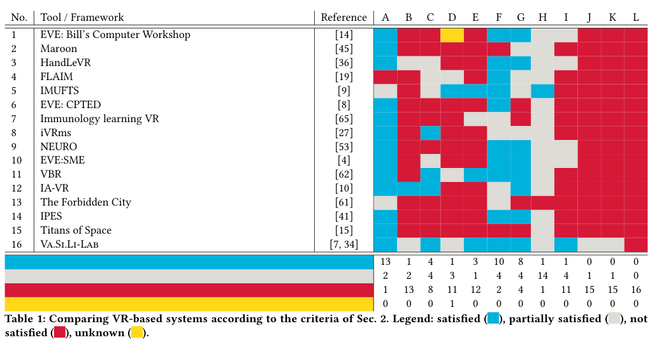
Table 1: source-region reproduction from the supplied PDF.
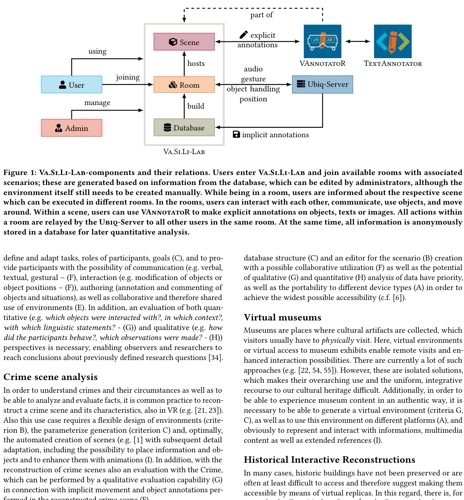
Figure 1: source-region reproduction from the supplied PDF.
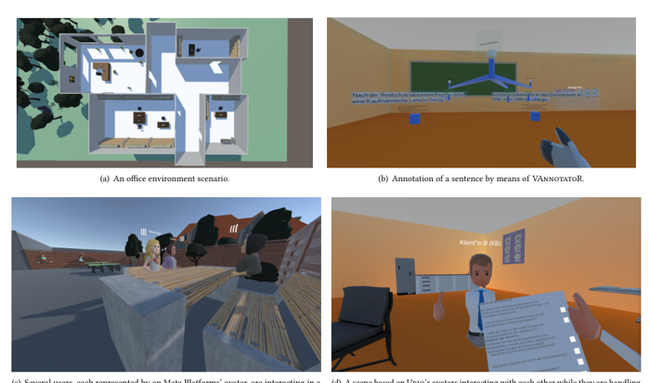
Figure 2: source-region reproduction from the supplied PDF.
Do you like what you are reading? Subscribe to receive updates.
Unsubscribe anytime