



Footnotes
A member of the community shared:
Good question. Footnotes really == End notes. Or in fact Chpater notes, i.e. end of article notes. They arise from limits of print but do have a purpose for a deeper gloss ro a shrt narrative branch. So, I think this is a partial yes, in that supporting some of the functions make sense even if not implemented that way. Also, for data export, those notes (ocmments?) might want to be mappable to footnotes, e.g. in generating a PDF. As there's no obvious 'right' single answer, my approach would be to assume that one needs to have some feature that covers's the footnotes task and to build in such a way that ievn if not done now, the design doesn't prevent building the feature out later, if that makes sense? I'm not a programmer so this suggestion might upset such folk, if so I spologise and am happy to epxlain further.
What this shows up is the challenge of mosing off print paradigms and working out what is needed and what is a legacy-only artefact.
For instance, IMO, using foot/endnotes to avoid inline citation (e.g. some books) is typesetting/paper cost issue and not informationally significant. So, in an HTML/like setting we collapse the citation sat in the footnote into an inline link (with/without specific anchor text). So, not all footnotes are alike in purpose. Grr, nothing is simple!
A footnote
Triplet Resource
They are like a comment.
Range link with a semantic annotation. (Subject, link type, reference)
(Range, Reference, Reference URI)
Block Type: References
Superscript.
Optional from the client.
Footnote Definition
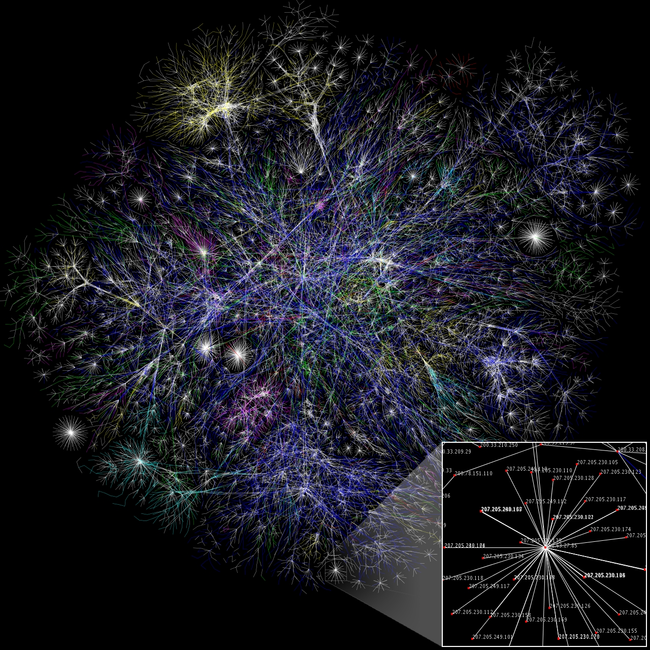
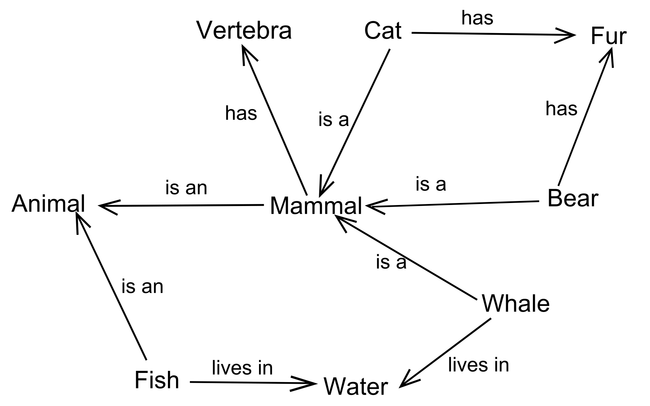
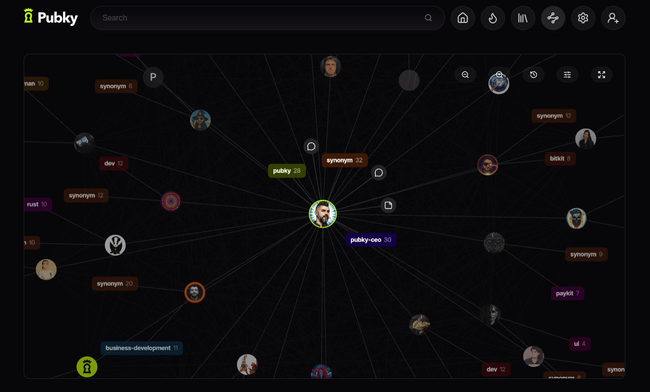
Graph Views
Semantic network -> Ontology -> Bootstrapping Software
document
blocks
attributes

How to claim authorship of a published paper?
Bootstrapping together with your knowledge community
MISC
Do you like what you are reading? Subscribe to receive updates.
Unsubscribe anytime